- HOME
-
PRODUCTS ▾
BY APPLICATIONBY PACKAGING TYPESUSTAINABLE PACKAGING
FEATURED SOLUTIONSFeatured: PCR Packaging | Refillable Solutions | Custom DevelopmentView All Products → - CATALOG
- INSIGHTS
- ABOUT PYC ▾
- CONTACT
Choosing cosmetic packaging for the European market is becoming more complex.
Beyond appearance, cost and brand presentation, buyers now need to pay closer attention to material selection, recyclability, recycled content, reuse potential and packaging documentation.
The EU Packaging and Packaging Waste Regulation (PPWR), Regulation (EU) 2025/40, began applying on 12 August 2026. It introduces a broader framework for packaging across its entire lifecycle, encouraging waste reduction, better material use and improved recyclability.
For beauty and skincare brands, this means packaging decisions need to consider not only how a product looks and performs, but also how its components are designed, used and managed after use.
At PYC, we believe the starting point is understanding the actual requirements of each packaging project. There is no single material or format that works for every formula, brand or market.
Here are seven packaging approaches worth considering when reviewing your next cosmetic packaging project.
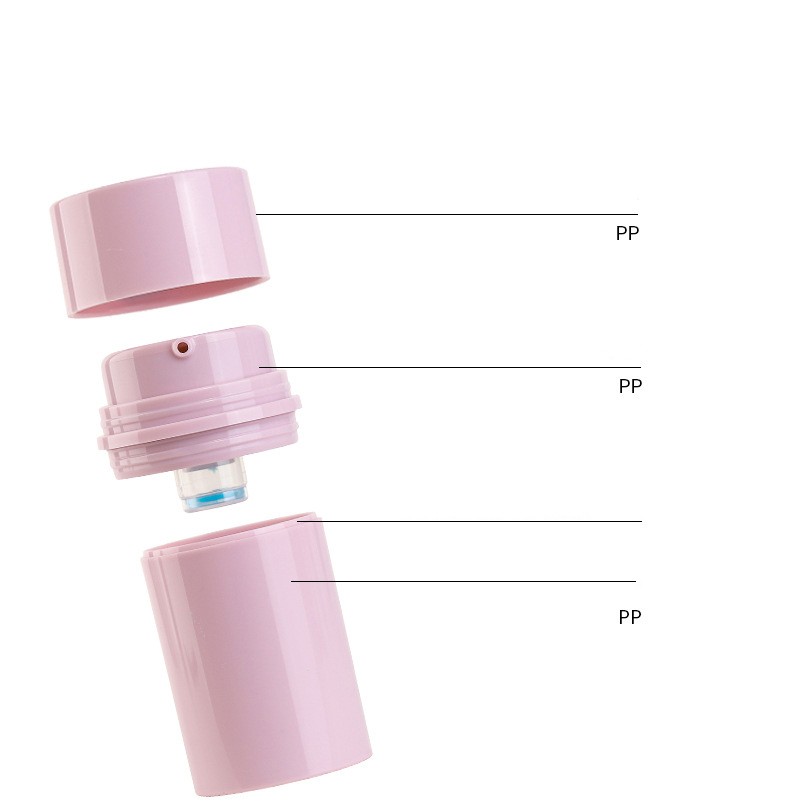
Mono-material packaging uses the same or compatible material families across key components, making packaging easier to separate and potentially easier to recycle.
For example, PP or PET bottles and jars can be developed with compatible closures and other components to simplify material combinations.
However, the details matter. Pumps, labels, liners, coatings and decorative elements may introduce different materials and affect the overall packaging structure.
For buyers, it is worth checking:
Refillable packaging allows consumers to keep an outer container and replace the product inside, potentially reducing the amount of packaging needed over multiple uses.
Common examples include refillable cream jars, skincare containers and selected cosmetic packaging formats.
A successful refill system needs more than an attractive outer case. Buyers should consider:
Formula compatibility and cleaning requirements should also be tested.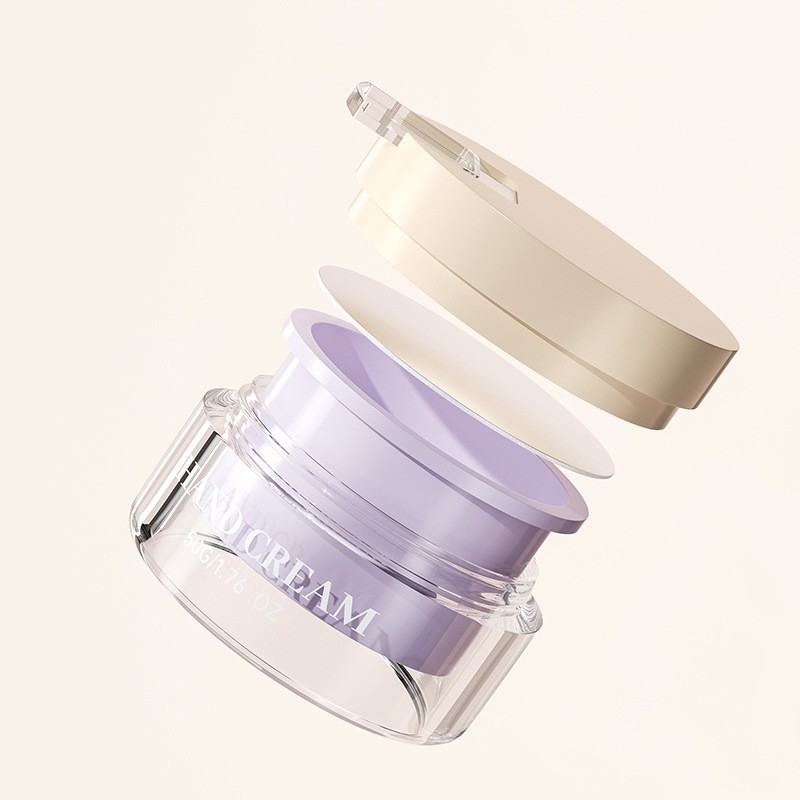
At PYC, we explore refillable packaging formats that can support different product concepts, while considering usability, component coordination and practical production requirements.
Lightweight packaging focuses on reducing material consumption without compromising product protection or usability.
For cosmetic brands, this may involve thinner bottle walls, lighter closures, more compact containers or simplified component structures.
Even a small reduction in material weight can make a difference across large production volumes. However, lightweight design should never come at the expense of packaging performance.
Before approval, buyers should evaluate:
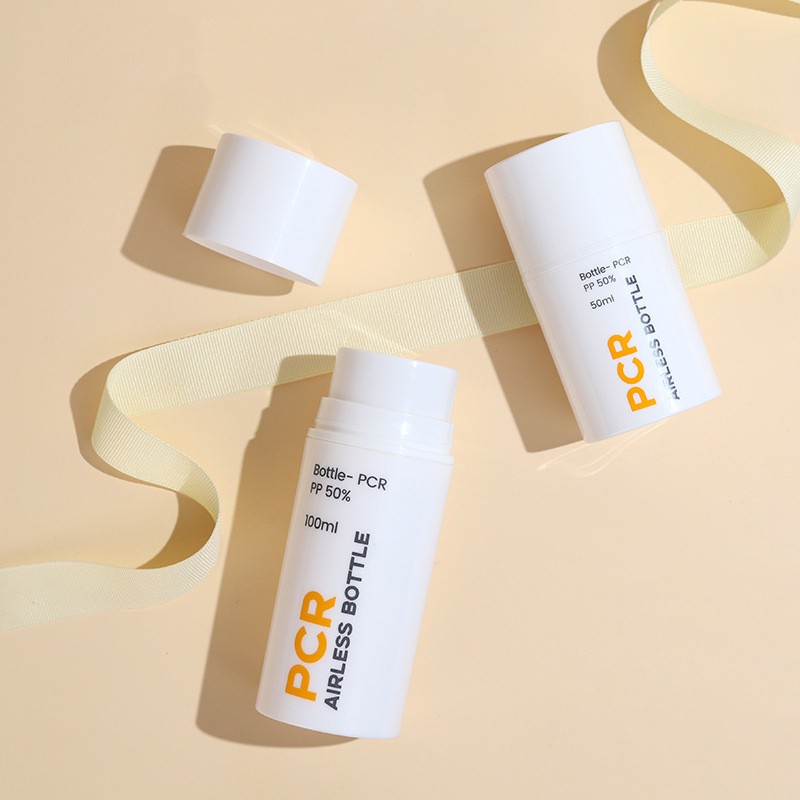
Using recycled materials can help reduce dependence on virgin raw materials and support more circular packaging systems.
However, recycled materials may differ in color, clarity and appearance compared with virgin materials. Their suitability also depends on the formula, packaging application and technical requirements.
Buyers should ask for:
Reusable packaging goes beyond replacing an inner container. It involves designing a system in which packaging can be collected, cleaned, inspected and used again.
For cosmetic brands, this may include durable containers designed for repeated circulation through a local return or refill program.
But a reusable design is only practical when the entire system works.
Consider:
A durable container alone does not guarantee a successful reuse system. The return process, consumer participation and local infrastructure all matter.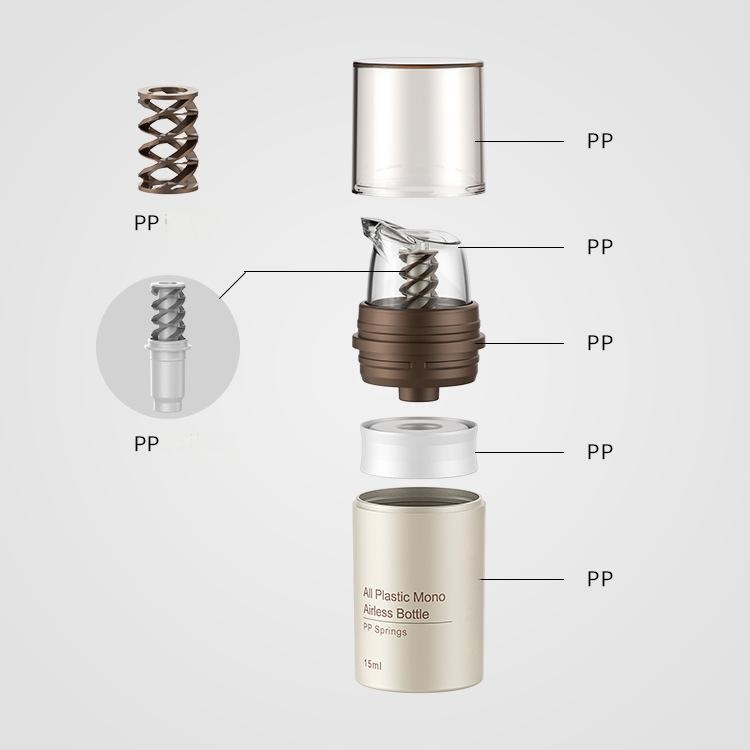
For brands exploring reusable formats, we recommend starting with a small pilot and evaluating performance over multiple use cycles.
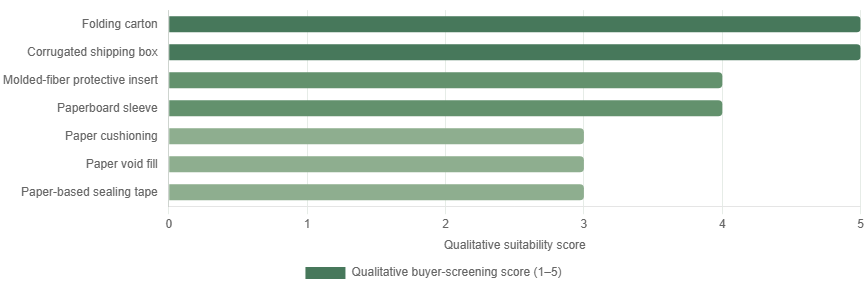
Paper-based and fiber-based packaging can offer practical alternatives for selected secondary packaging applications.
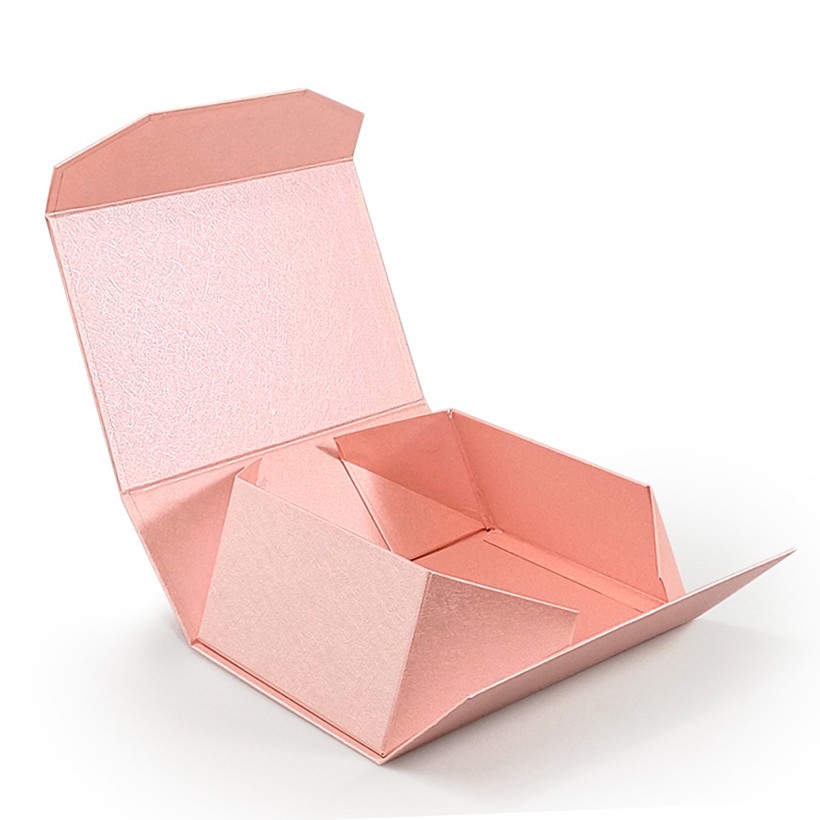
Common formats include folding cartons, paperboard sleeves, molded-pulp inserts and protective paper-based structures.
For beauty products, these solutions can support product presentation while providing protection during storage and transportation.
However, paper-based packaging is not automatically recyclable in every configuration. Foil layers, plastic windows, heavy coatings and mixed-material components may affect disposal and recycling.
Buyers should consider:
At PYC, we offer paper-based packaging options such as folding cartons and customized paper packaging, helping beauty brands consider both presentation and practical packaging requirements.
Sometimes, improving packaging sustainability does not require changing the entire format. Small structural decisions can make a meaningful difference.
For example, using compatible material families, simplifying component combinations and making different parts easier to separate can support better sorting and recycling.
This means looking beyond the main container and evaluating the complete packaging system, including:
A design that works well in one market may not perform the same way in another because collection and recycling infrastructure varies.
For brands selling across multiple markets, it is important to understand where the packaging will be used and how its materials are handled locally.
The goal is not simply to make packaging look recyclable, but to consider how the complete structure performs throughout its lifecycle.
At PYC, we believe that packaging decisions should connect material selection, product functionality, brand identity and manufacturing feasibility.
We work across a range of beauty and skincare packaging formats, including plastic bottles and jars, glass packaging, airless containers, pumps, cosmetic tubes and paper-based packaging.
From standard packaging formats to customized colors, finishes and component combinations, we focus on developing solutions that respond to each brand's product requirements and market needs.
Whether you are exploring PCR materials, refillable structures, lightweight designs or paper-based secondary packaging, our team can help evaluate suitable options and bring packaging concepts closer to production.
Sustainable packaging is not about choosing one material and applying it to every product. It is about making informed decisions based on the product, the packaging structure and the market it serves.
Planning your next cosmetic packaging project for the European market?
Explore our packaging collections at www.pyc365.com and get in touch with PYC to discuss your packaging requirements.