Transparent Aesthetics: The 2026 Fragrance & Body Care Packaging Trend
2026-04-15 13:17:26
view:
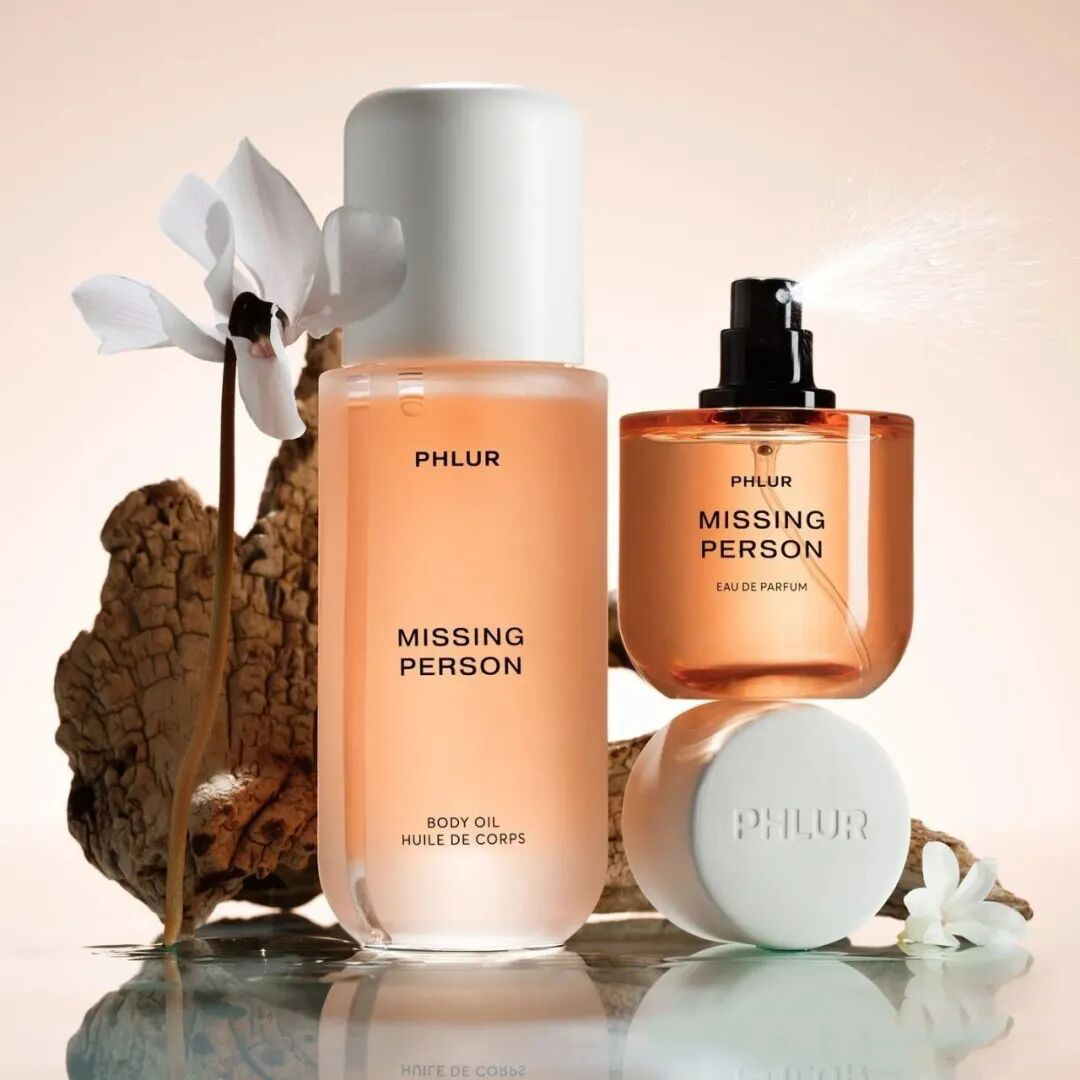
In an oversaturated fragrance market, clarity is becoming the new luxury. Brands like PHLUR offer a compelling answer: using extreme transparency and precise color systems to build an intuitive product language. Instead of relying on heavy storytelling, they let the packaging speak instantly—turning visual cues into the first step of the sensory journey.
From Concealment to Revelation The shift toward transparent packaging is more than a stylistic choice—it’s a statement of purity and honesty.
(Image source:Internet.If any copyright infringement occurs,please contact us for removal.)
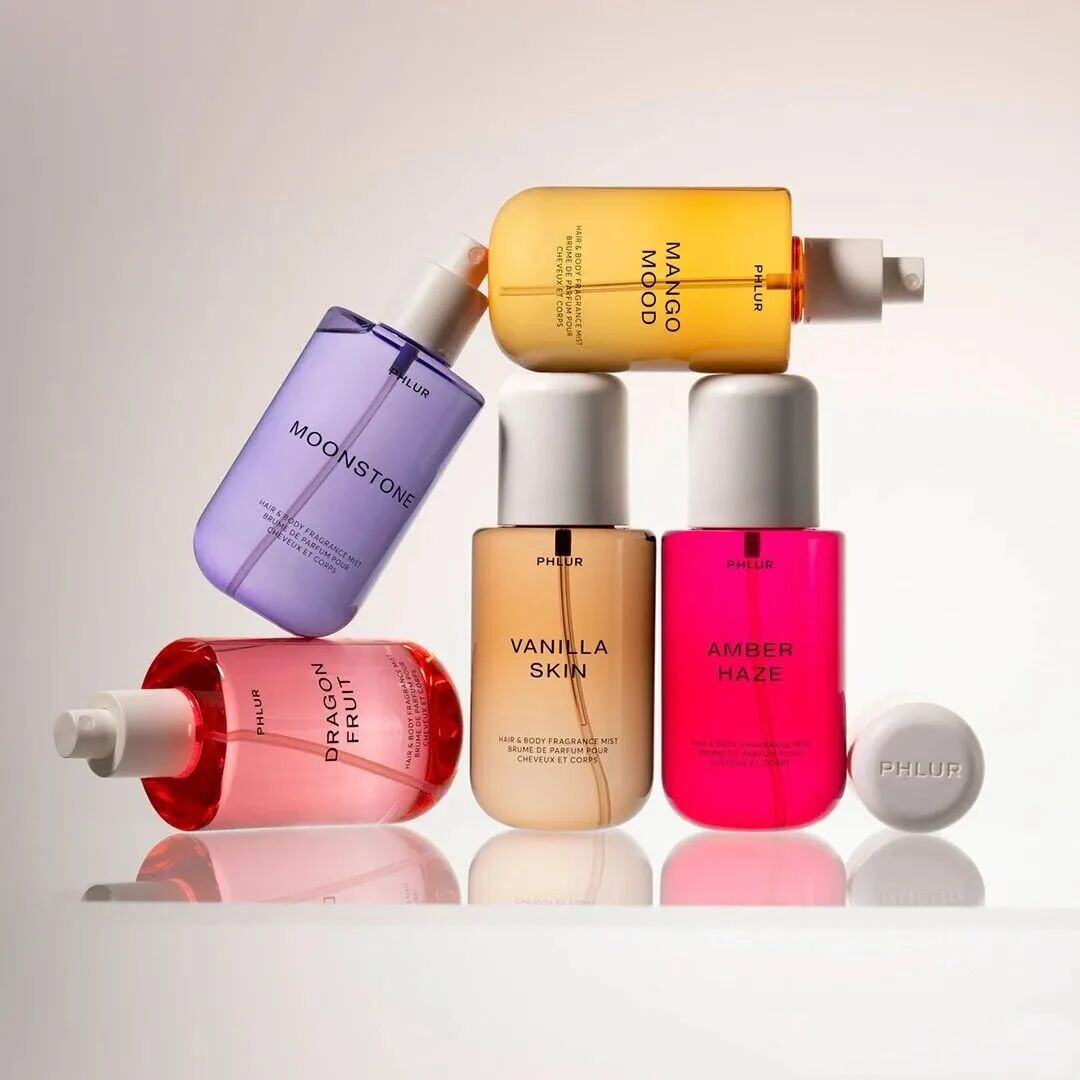
By revealing the formula inside, brands allow consumers to visually assess color and texture at first glance. This “what you see is what you get” experience subtly builds trust in both ingredients and quality. At the same time, color becomes a functional language:
Bright fruity hues (e.g., Mango Mood) signal energy and playfulness
Deep blacks (e.g., Rose Whip) suggest mystery and sensuality
This system transforms color into an instant emotional decoder, enabling consumers to navigate choices in seconds—even in a crowded retail environment.
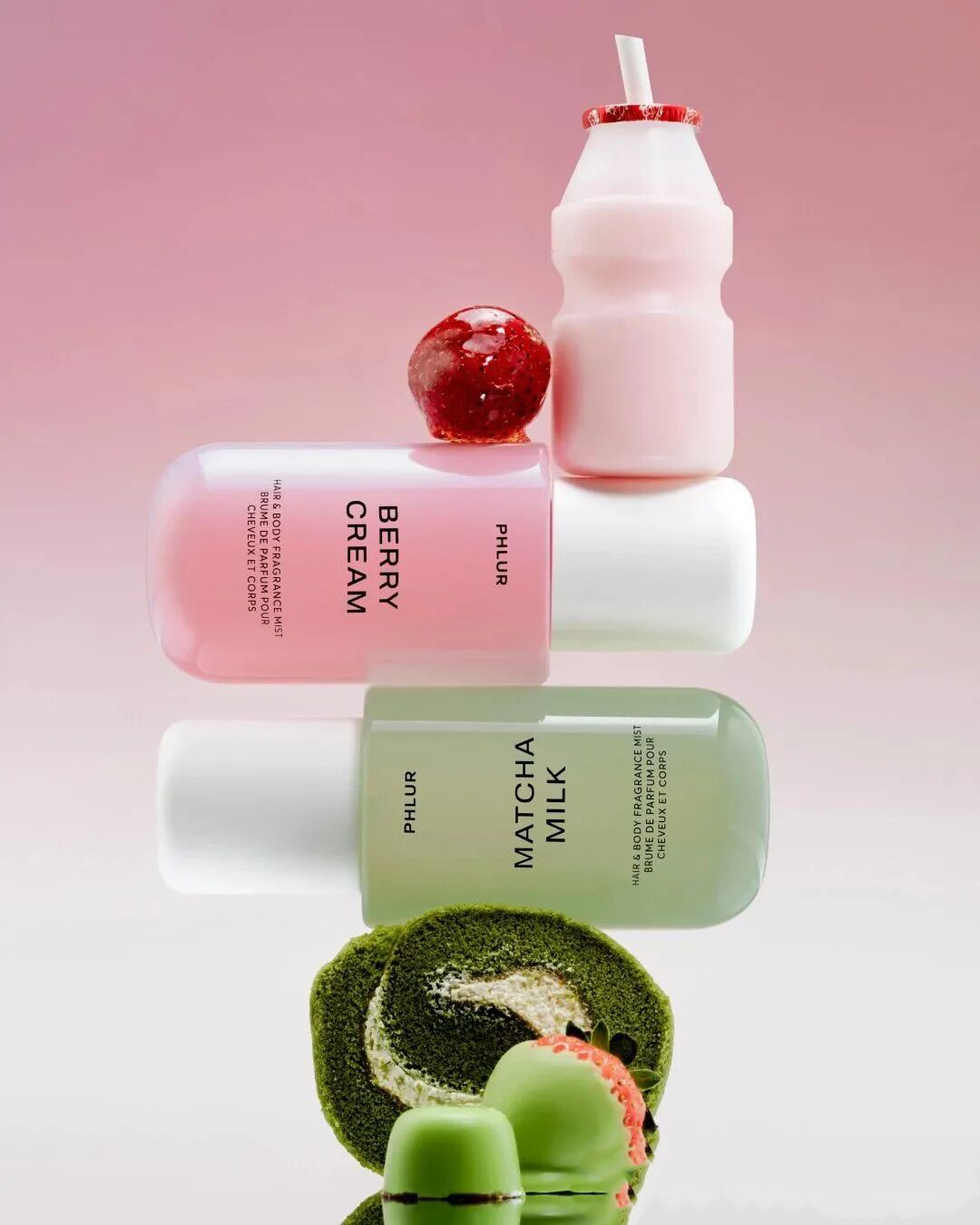
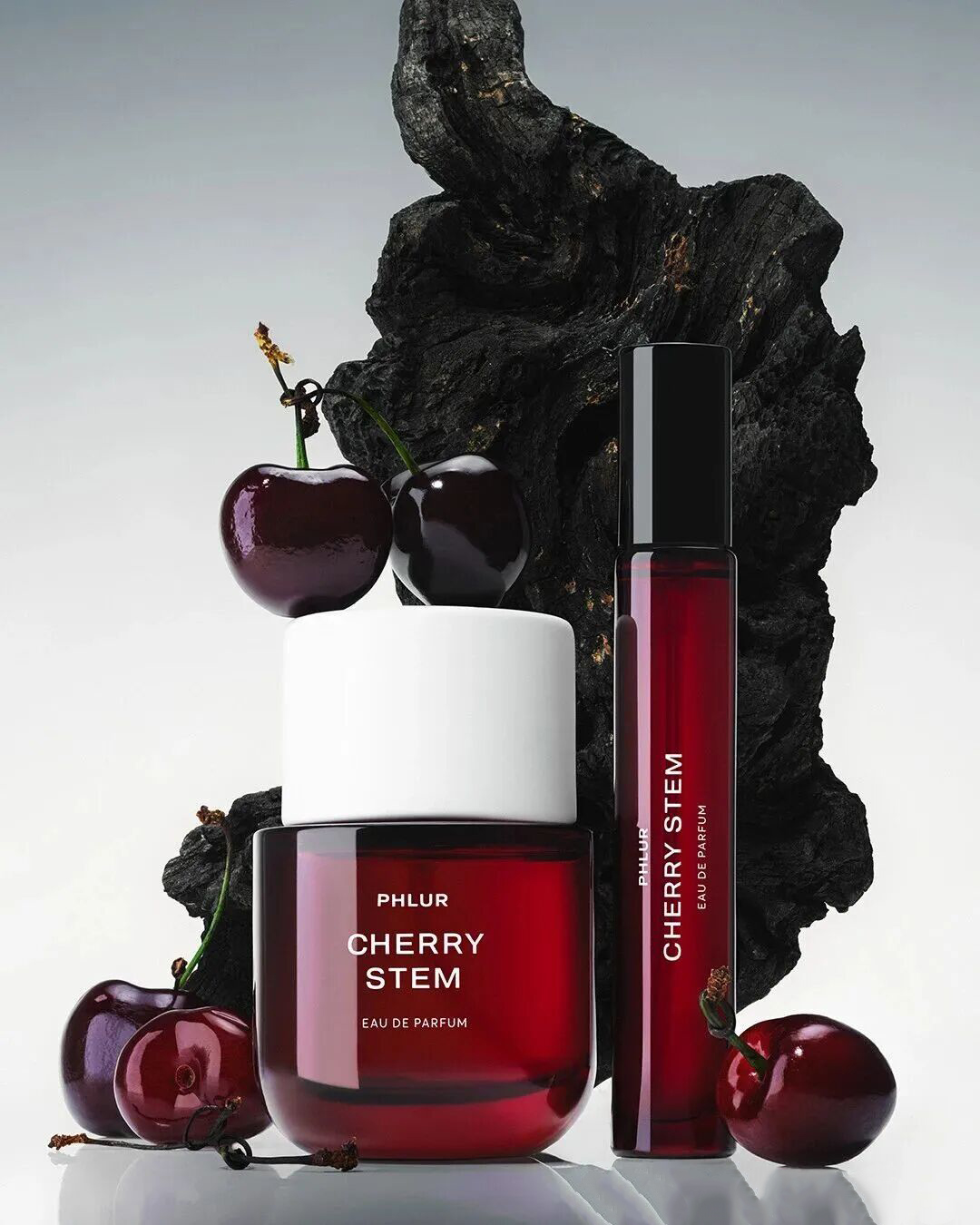
Visual Synesthesia: Making Scent Visible Another key strategy is visual synesthesia—translating scent into imagery.
(Image source:Internet.If any copyright infringement occurs,please contact us for removal.)
Instead of abstract decoration, packaging often pairs the product with recognizable ingredients like green apple, blackberry, or rose. These visuals trigger immediate sensory associations, allowing consumers to “preview” the scent through sight. Combined with clean sans-serif typography and bilingual labeling (English/French), the result is a design system that feels both minimal and globally accessible.
What This Means for Packaging Design PHLUR’s approach highlights a powerful insight: The most effective packaging doesn’t explain—it communicates instantly. By turning packaging into a “visible interface for scent,” brands can translate complex sensory experiences into something intuitive, elegant, and universally understood. This direction points to a broader shift in 2026:










 (Image source:Internet.If any copyright infringement occurs,please contact us for removal.)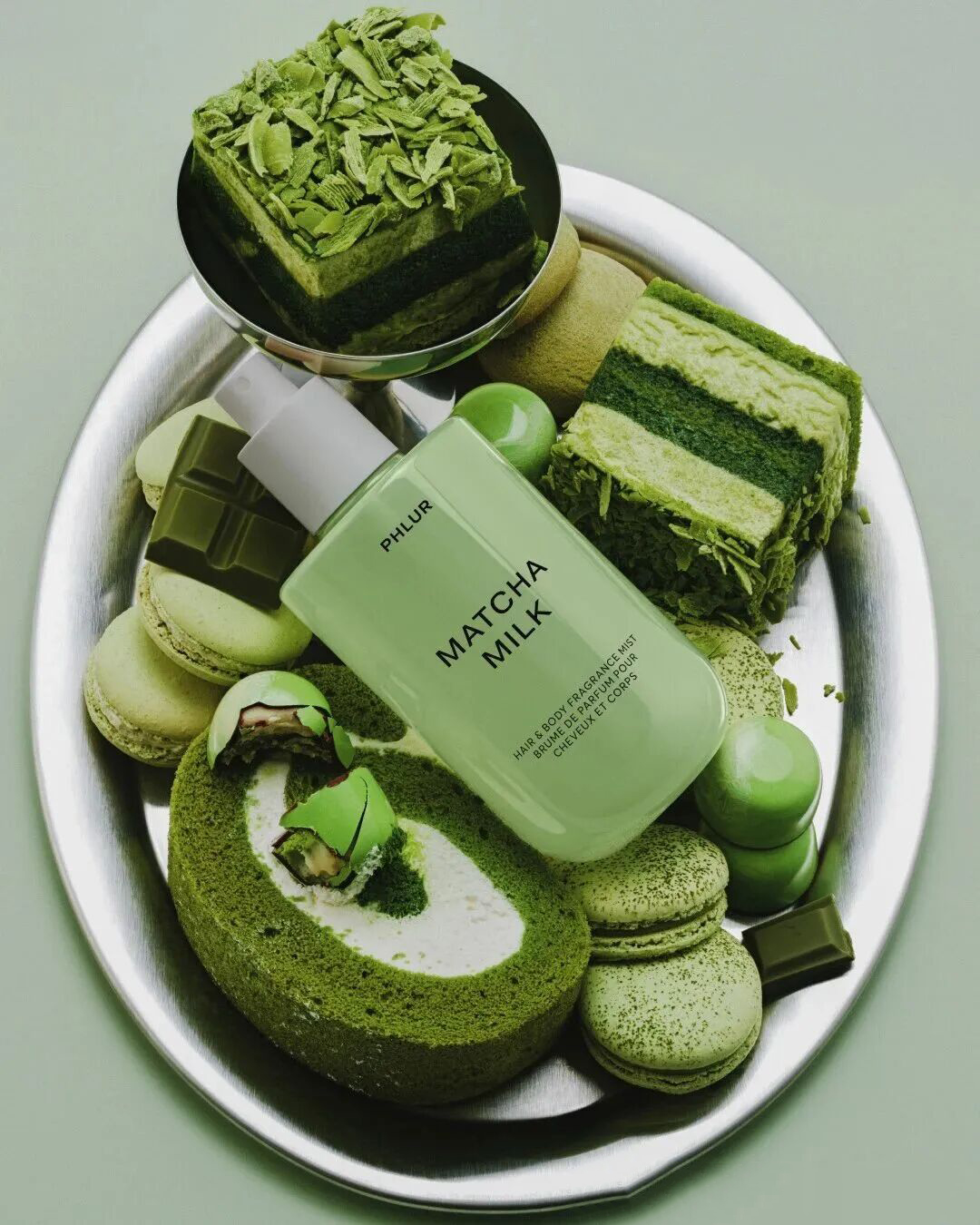
 (Image source:Internet.If any copyright infringement occurs,please contact us for removal.)